
 English
  Español
  Deutsch
  Français
  Português
  Italiano
  Nederlands
  Polski
  Svenska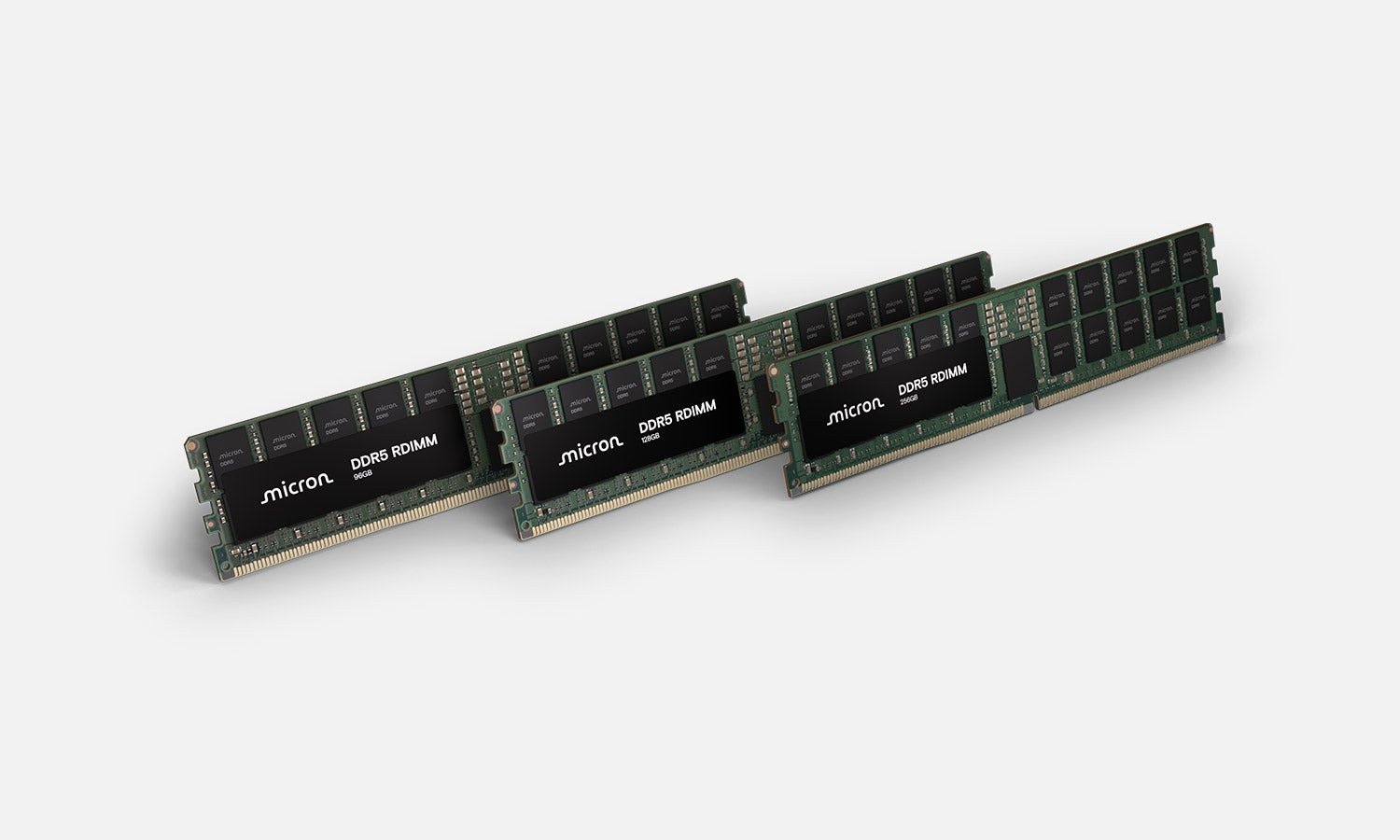
The memory crisis keeps tightening its grip, and this week brought two signals pointing in opposite directions. On one hand, China’s CXMT has announced mass production of its fifth-generation DRAM, a leap that brings it closer to the industry’s big three. On the other, Acer‘s CEO has warned that computers will keep getting more expensive before prices start coming down.
The root cause is well known: demand for AI memory is eating up production, and what reaches the consumer market is scarcer and pricier. The effect is already showing up in components, in laptops, and even in hardware release schedules.
China Turns Up the Pressure: What CXMT Has Announced
The company calls its new process G5 and claims to have shrunk the DRAM active-area half-pitch to 11.95 nanometers using quadruple-patterning lithography. It also says it has introduced new materials to build capacitors with a depth-to-width ratio of 45 to 1: capacitors 45 times deeper than they are wide, which is what allows more cells to be packed onto the same wafer.
The first chips built this way are 24-gigabit LPDDR5X units, already in mass production and headed for flagship phones in China, offering 50% more capacity per chip than CXMT’s own previous generation.
It’s worth putting that figure in context. That 11.95nm number isn’t a manufacturing node comparable to the ones other companies announce — it’s a specific design measurement. And the company hasn’t published production yield data, which is exactly what determines whether a fab can compete on price. Even so, the move matters: the more DRAM that reaches the market, the sooner the shortage eases.
“We Find It Baffling”: What PC Makers Are Saying
Jason Chen, Acer’s CEO, put numbers on what’s coming: he expects PCs to rise another 20% before prices start easing in the second half of 2027. On the pressure from memory suppliers, he was blunt: “a lot of people come and tell us they want to raise prices, and we find it a bit baffling.”
The price hikes won’t stop at RAM. The market takes it as a given that AMD and Intel will apply price adjustments of around 10% on their processors, which would push up the price of a full system, not just the memory modules.
The Domino Effect Is Already Showing
The situation has reached a striking point: memory has become more expensive per square millimeter of silicon than compute chips, something that would have sounded like a joke two years ago. And hardware release schedules are starting to feel the strain; the clearest case is the NeoGeo AES+, the faithful reissue console built to the original hardware spec, pushed back to late 2027 due to the memory shortage.
Meanwhile, the server industry is soaking up the best of production, with extremely high-capacity modules and ever-higher speeds built for AI data centers. It’s the same silicon your next RAM upgrade is competing for.
What to Do If You’re Building or Upgrading a PC
- Don’t wait for prices to drop soon. Industry forecasts point to 2027, so if you need a machine now, waiting only adds months of delay.
- Buy all the memory you’ll need up front. Upgrading later, in the middle of a shortage, works out worse than being fully equipped from the start.
- Keep an eye on prebuilt kits. Complete systems that have been in the catalog for a while tend to take longer to absorb price hikes than individual components.
- Make the most of what you already have. In many cases, a motherboard that supports your current memory can stretch your system’s life until the market settles down.