
 English
  Español
  Deutsch
  Français
  Português
  Italiano
  Nederlands
  Polski
  Svenska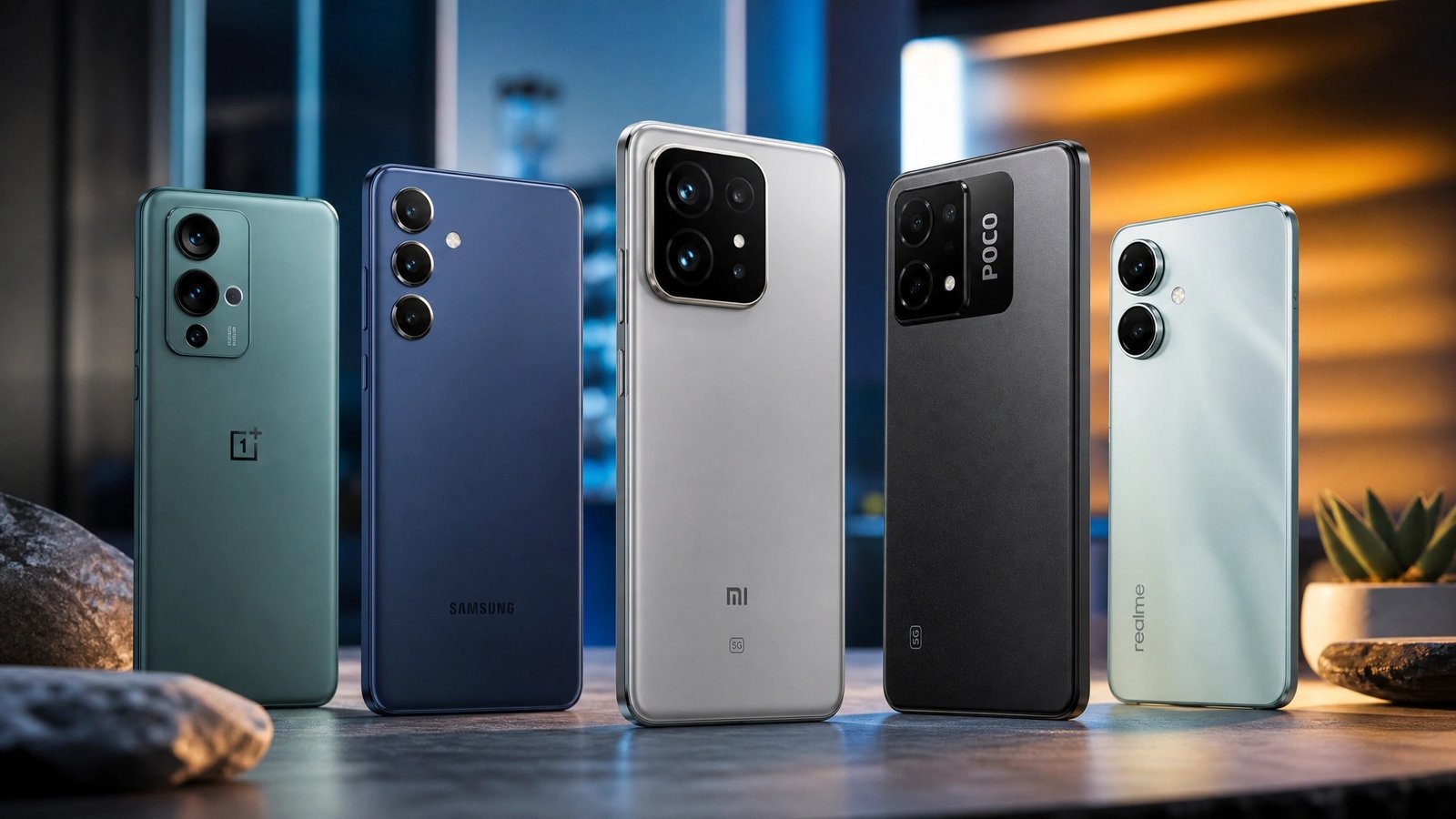
Picking the best smartphone in 2026 comes down to matching the phone to how you actually use it, not just chasing a spec sheet. Whether you’re after the best budget smartphones for everyday use or a full flagship built for photography and gaming, here are nine Android smartphones available right now across the US, Canada, UK, Ireland and Australia, grouped by price so you can find the one that fits.
What to look for before buying a smartphone
The chipset drives day-to-day performance and gaming, but almost any current flagship android smartphone handles daily tasks with ease — the differentiator is sustained performance during long sessions, and how many years of Android updates the manufacturer actually commits to, an area where Google and Samsung clearly lead the pack.
On the camera side, more megapixels doesn’t automatically mean better photos: image processing and computational software matter as much as the sensor itself. If you’re chasing the best smartphone camera 2025 and 2026 have to offer, pay attention to optical zoom rather than digital, and how a phone handles low light, not just the megapixel count on the box.
Battery life and charging speed also vary a lot by brand: Chinese smartphones (Xiaomi, OnePlus) tend to pack bigger batteries and noticeably faster charging than Samsung or Google, though the latter make up for it with longer guaranteed software support. And if a foldable smartphone is on your radar, know that the premium over an equivalent conventional flagship is still significant, even as the technology keeps maturing fast.
Finally, nearly every phone in this smartphone comparison ships with 5G, IP68 water resistance and built-in AI (Galaxy AI, Gemini, HyperOS AI) for tasks like real-time translation, notification summaries and photo editing.
Premium tier: over $1,200
The no-compromise picks: the most powerful chipset from each brand, and — in the foldable’s case — a format that’s still priced at a premium but more polished than ever.

Samsung Galaxy Z Flip8
Approx. price: $1,412.48
Pros
- Genuinely useful FlexWindow cover screen, not just a gimmick
- Hands-free selfies using the main camera sensor
- Galaxy AI’s Now Brief is a genuinely practical daily summary
Cons
- Priced well above an equivalent conventional flagship
- The hinge remains a long-term durability question mark
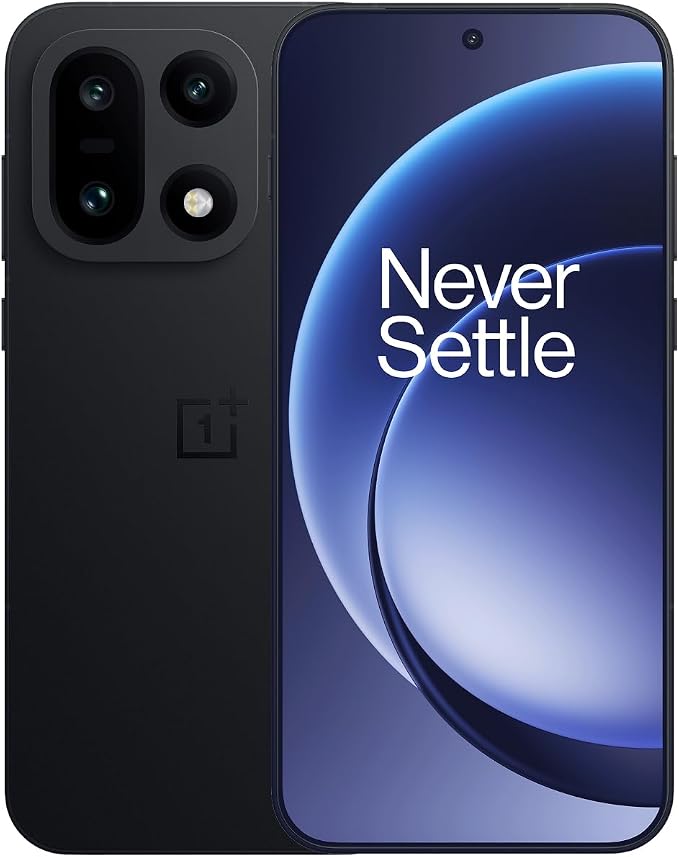
OnePlus 15
Approx. price: $1,270.00
Pros
- 7,300 mAh battery good for two full days of use
- Flagship performance at a more contained price than direct rivals
- 4K 120fps video recording with Dolby Vision
Cons
- Camera system doesn’t always match Samsung or Google on zoom
- OxygenOS ships with a fair number of preinstalled apps

Samsung Galaxy S26 Ultra
Approx. price: $1,235.00
Pros
- The most powerful chipset Samsung has ever put in a Galaxy
- 60W charging, the fastest the S series has ever offered
- 200MP camera system that excels in any lighting
Cons
- Among the most expensive smartphones on the market
- Large and heavy in daily use
Flagship tier: $700 to $1,200
This is where 2026’s most well-rounded flagship smartphones live: top-tier performance and strong cameras without paying the Ultra or Pro surcharge.

Xiaomi 17
Approx. price: £738.43
Pros
- 6,330 mAh battery, one of the biggest in its class
- Leica Summilux optics deliver excellent photo results
- Excellent performance for gaming and demanding tasks
Cons
- HyperOS won’t be to everyone’s taste
- Fewer guaranteed years of updates than Samsung or Google
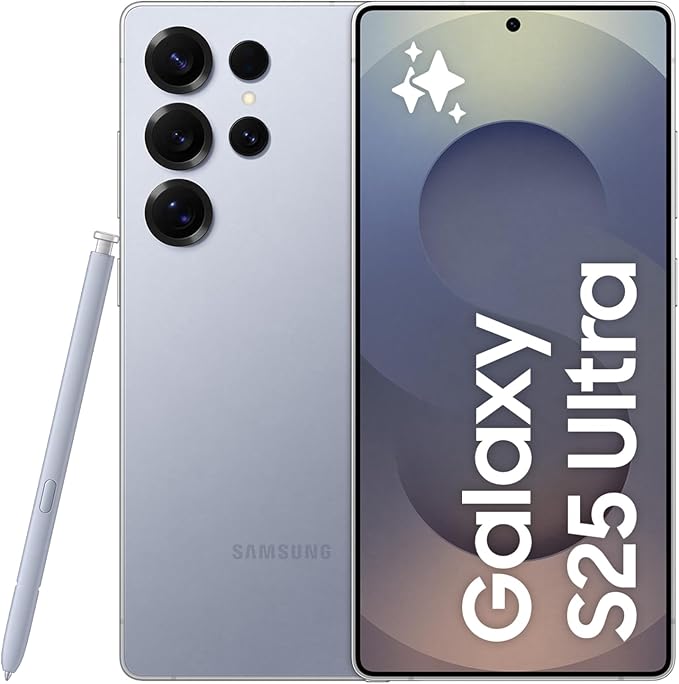
Samsung Galaxy S25 Ultra
Approx. price: $869.50
Pros
- Reference-class camera system, especially the periscope zoom
- Built-in S Pen, still unique in this class
- Seven years of guaranteed Android updates
Cons
- One of the pricier flagship smartphones on the market
- Big, heavy phone that isn’t a one-hand device

Google Pixel 10
Approx. price: $799.00
Pros
- Up to seven years of Android updates, the longest in the industry
- Outstanding image processing and Gemini integration
- Over 24 hours of battery life on mixed use
Cons
- Camera hardware isn’t as flashy as the results suggest
- Gaming performance trails Snapdragon 8 Elite phones

Samsung Galaxy S26
Approx. price: $774.99
Pros
- Exynos 2600 brings a notable efficiency jump
- Bright, great-feeling display
- Galaxy AI keeps getting more polished
Cons
- Camera upgrades over the S25 are modest
- Fast charging still trails Chinese rivals

Samsung Galaxy S25
Approx. price: $694.44
Pros
- Genuinely compact for a flagship Android smartphone
- Galaxy AI features that are actually useful day to day
- IP68 water resistance and a solid, premium build
Cons
- Optical zoom can’t match the Ultra’s periscope lens
- 25W wired charging trails several Chinese rivals
Best value: under $700
The best price-to-performance ratio in this whole comparison — a genuine flagship-adjacent android smartphone for a fraction of premium pricing, with a few reasonable trade-offs in camera or materials.

Motorola Edge 70
Approx. price: $389.99
Pros
- Ultra-thin, lightweight design without giving up IP68/IP69 durability
- Excellent value inside the upper-midrange bracket
- 68W TurboPower charging, fast for this price
Cons
- Snapdragon 7 Gen 4 isn’t built for the most demanding games
- Wireless charging is capped at 15W